

 Image 1 of 1
Resilient Backyard Tour - Fall 2026
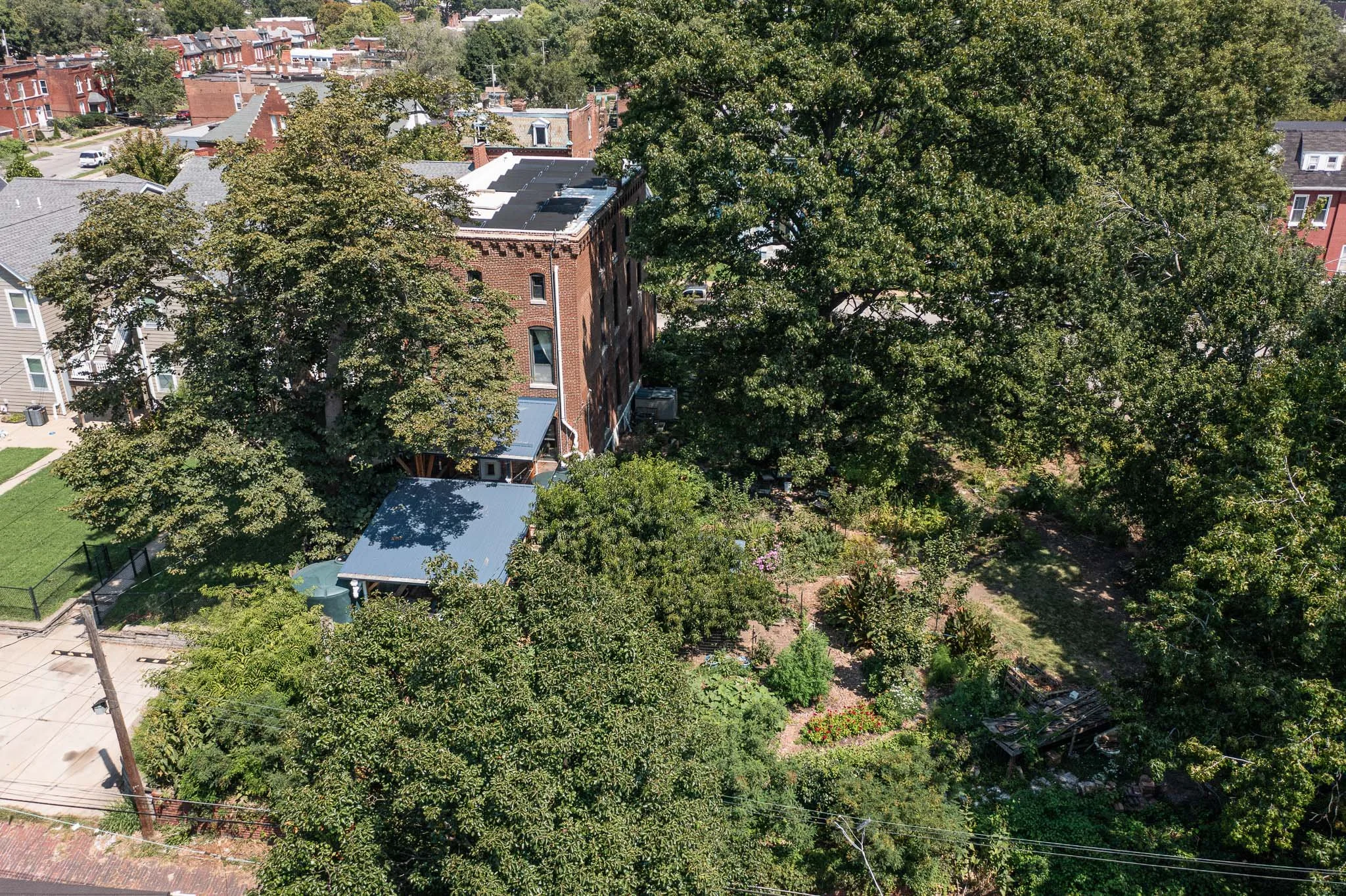
Join us at the Magnolia Provisions homestead for an afternoon of resilience! We have spent the past 6 years observing, learning, and implementing resilient design practices in our yard and it’s time to share with the community. Whether you have a small yard or a large property, there is something here for you.
Our climate is rapidly changing, and as the weather becomes more unpredictable and extreme, resilient design can help all of us weather the coming storms and provide a buffer when other systems fail.
This tour will focus on four design principles and how their interplay reinforces a resilient system.
First, water. We all know water is fundamental for life, and yet we all probably take it for granted especially here in the Eastern US. Our yard sits 1.6 miles west of the fourth-largest river system in the world making it easy to forget that fresh water is a finite resource and yet that river system hit historic lows in 2023 and has recorded low levels each year since. The alternative is too much water too fast, leading to flooding, of which we’ve recently seen dramatic and tragic examples. Resilient water design begins at your property’s highest elevation and proceeds down the watershed, slowing, capturing, and absorbing the flow. We recently completed installation of a second rain cistern thanks to a grant from MSD’s Project Clear, bringing our total storage capacity to 3000 gallons! This may seem like a lot, but our previous 1000 gallon tank empties in about 2 weeks irrigating the garden during periods of drought—It was empty for most of last year. Beyond irrigation, extra water storage is a buffer in case of disaster (like the May 2025 tornado), where utility service may be disrupted. Additionally, a rain tank can be strategically managed to absorb heavy rains before they create runoff and potential flooding by lowering the water level in the tank before a storm.
Second, soil. Once our tanks are full, water has to overflow somewhere. Landform dictates water flow, and slowing water in order to sink it into the soil where it can nurture life is the goal. With rain gardens, berms and swales, and sometimes low-grade surface flows, soil can be its own rainwater catchment system, acting like a living sponge and improving capacity and therefore drought-resistance year over year from accumulating biomass in the soil food web. The alternative is dry, dead, dirt that erodes and runs off into our rivers and oceans with each heavy rain or simply blows away in the wind. The most important rule is never allow for bare soil—plants and mulch are the primary tools here, both protecting and holding soil as well as keeping moisture in the ground.
Third, food. Gardens, fruit trees, chickens, bees. Feeding ourselves is a good start but resilience requires diversity and most native insect life isn’t fully supported by the edible annuals that we humans cultivate in our gardens. Most yards can support both vegetable gardens and native plantings in some configuration and the native perennial plant zones will support both the soil and water principles much more completely than annual gardens could, while also attracting pollinators to a garden or orchard. Plus a yard full of butterflies and birds is a yard full of life—a yard that is both wild and welcoming, while the alternative is a domesticated yard, largely void of life aside from a single species of grass or a collection of lawn weeds mowed to an inch of their lives (literally), and never allowed to bloom and grow to feed the soil and the food web above and below. Humans are a part of the whole web of life on this planet so it should go without saying that what we do to the rest of it, we do to ourselves. Even a small yard in the middle of a city can be a lifeboat to hundreds of species and in times of change, the more lifeboats the better. We all saw the end of Titanic.
Fourth, shade. If this feels like an unexpected addition to this list, ask yourself—between a sunny field and a shady grove, where would you rather be on a hot day? If we can reasonably expect the number of hot days to increase each year, then cooling shade is a resilience strategy worth considering. Shade can lower surface temps by up to 72F and air temps up to 20F and humans aren’t the only ones who appreciate that cooling. Aside from okra, most garden annuals appreciate some shade, especially in the afternoon, and while there are many prairie-hardy natives that can tolerate full sun, they also tend to look much happier with some shade. Shade can come in the form of a mature tree or from a structure. If your yard is lacking a mature tree, you should probably plant one for future inhabitants and in the meantime not underestimate the function of built shade, which can double as a water-catch, to guide rainfall into a tank or rainscape. When deployed thoughtfully, shade is a friend to life and can actually increase productivity in many plants, lower utility bills, and generally make outside a place humans want to be.
When: September 20th 11am-3pm
Where: 2838 Magnolia Ave.
Please register below. This is a pay what you can tour, if that’s nothing you are still welcome, if you can chip in to support the effort, that will be much appreciated. We’ll have QR codes for venmo at the tour, no advance-payment necessary.
We look forward to seeing you there!
Join us at the Magnolia Provisions homestead for an afternoon of resilience! We have spent the past 6 years observing, learning, and implementing resilient design practices in our yard and it’s time to share with the community. Whether you have a small yard or a large property, there is something here for you.
Our climate is rapidly changing, and as the weather becomes more unpredictable and extreme, resilient design can help all of us weather the coming storms and provide a buffer when other systems fail.
This tour will focus on four design principles and how their interplay reinforces a resilient system.
First, water. We all know water is fundamental for life, and yet we all probably take it for granted especially here in the Eastern US. Our yard sits 1.6 miles west of the fourth-largest river system in the world making it easy to forget that fresh water is a finite resource and yet that river system hit historic lows in 2023 and has recorded low levels each year since. The alternative is too much water too fast, leading to flooding, of which we’ve recently seen dramatic and tragic examples. Resilient water design begins at your property’s highest elevation and proceeds down the watershed, slowing, capturing, and absorbing the flow. We recently completed installation of a second rain cistern thanks to a grant from MSD’s Project Clear, bringing our total storage capacity to 3000 gallons! This may seem like a lot, but our previous 1000 gallon tank empties in about 2 weeks irrigating the garden during periods of drought—It was empty for most of last year. Beyond irrigation, extra water storage is a buffer in case of disaster (like the May 2025 tornado), where utility service may be disrupted. Additionally, a rain tank can be strategically managed to absorb heavy rains before they create runoff and potential flooding by lowering the water level in the tank before a storm.
Second, soil. Once our tanks are full, water has to overflow somewhere. Landform dictates water flow, and slowing water in order to sink it into the soil where it can nurture life is the goal. With rain gardens, berms and swales, and sometimes low-grade surface flows, soil can be its own rainwater catchment system, acting like a living sponge and improving capacity and therefore drought-resistance year over year from accumulating biomass in the soil food web. The alternative is dry, dead, dirt that erodes and runs off into our rivers and oceans with each heavy rain or simply blows away in the wind. The most important rule is never allow for bare soil—plants and mulch are the primary tools here, both protecting and holding soil as well as keeping moisture in the ground.
Third, food. Gardens, fruit trees, chickens, bees. Feeding ourselves is a good start but resilience requires diversity and most native insect life isn’t fully supported by the edible annuals that we humans cultivate in our gardens. Most yards can support both vegetable gardens and native plantings in some configuration and the native perennial plant zones will support both the soil and water principles much more completely than annual gardens could, while also attracting pollinators to a garden or orchard. Plus a yard full of butterflies and birds is a yard full of life—a yard that is both wild and welcoming, while the alternative is a domesticated yard, largely void of life aside from a single species of grass or a collection of lawn weeds mowed to an inch of their lives (literally), and never allowed to bloom and grow to feed the soil and the food web above and below. Humans are a part of the whole web of life on this planet so it should go without saying that what we do to the rest of it, we do to ourselves. Even a small yard in the middle of a city can be a lifeboat to hundreds of species and in times of change, the more lifeboats the better. We all saw the end of Titanic.
Fourth, shade. If this feels like an unexpected addition to this list, ask yourself—between a sunny field and a shady grove, where would you rather be on a hot day? If we can reasonably expect the number of hot days to increase each year, then cooling shade is a resilience strategy worth considering. Shade can lower surface temps by up to 72F and air temps up to 20F and humans aren’t the only ones who appreciate that cooling. Aside from okra, most garden annuals appreciate some shade, especially in the afternoon, and while there are many prairie-hardy natives that can tolerate full sun, they also tend to look much happier with some shade. Shade can come in the form of a mature tree or from a structure. If your yard is lacking a mature tree, you should probably plant one for future inhabitants and in the meantime not underestimate the function of built shade, which can double as a water-catch, to guide rainfall into a tank or rainscape. When deployed thoughtfully, shade is a friend to life and can actually increase productivity in many plants, lower utility bills, and generally make outside a place humans want to be.
When: September 20th 11am-3pm
Where: 2838 Magnolia Ave.
Please register below. This is a pay what you can tour, if that’s nothing you are still welcome, if you can chip in to support the effort, that will be much appreciated. We’ll have QR codes for venmo at the tour, no advance-payment necessary.
We look forward to seeing you there!